
Leading Products For Masonry Service Professionals
Explore top-rated tools and materials that enhance efficiency and quality in masonry projects for contractors and artisans.
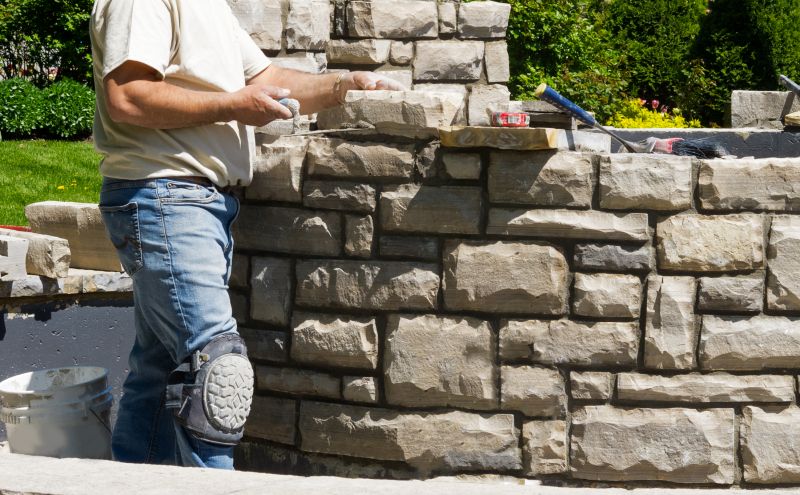 Masonry services require a diverse array of products to ensure quality, durability, and efficiency in building and repair projects. From foundational materials to finishing tools, selecting the right equipment can significantly impact the outcome of masonry work. Proper tools and supplies help maintain safety standards, improve precision, and streamline workflows for professionals and DIY enthusiasts alike. In Decatur, IL, where construction and renovation projects are common, having access to reliable masonry products is essential for achieving lasting results.
Top Overall Option
Masonry Trowel Set
A comprehensive masonry trowel set offers a variety of trowels designed for different tasks such as spreading, shaping, and smoothing mortar and concrete. Made from durable materials with ergonomic handles, these tools help improve precision and reduce fatigue during extended use. Ideal for both professional masons and DIY enthusiasts, a quality trowel set is a versatile addition to any masonry toolkit.
Types of Products For Masonry Service
Masonry Saws
Powerful saws designed for cutting bricks, stones, and concrete blocks with precision, available in various sizes and blade types.
Mortar Mixers
Machines used to mix mortar, cement, and concrete efficiently, suitable for both small and large projects.
Trowels and Spades
Hand tools essential for applying, spreading, and shaping mortar and concrete surfaces.
Chisels and Hammers
Tools for shaping, chipping, and breaking masonry materials with control and accuracy.
Level and Plumb Tools
Instruments such as levels, plumb lines, and laser tools to ensure accurate alignment and verticality.
Sealants and Waterproofing Agents
Products used to protect masonry surfaces from water infiltration and enhance durability.
Safety Gear
Protective equipment including gloves, goggles, masks, and helmets to ensure safety during masonry work.
Cleaning and Surface Preparation Supplies
Brushes, grinders, and cleaning agents used to prepare surfaces and maintain finished masonry.
Reinforcement Materials
Steel bars, mesh, and other reinforcement products to strengthen masonry structures.
Formwork and Molds
Temporary or permanent molds used for shaping concrete and other materials.
Adhesives and Bonding Agents
Specialized products for bonding masonry units securely and efficiently.
Expansion Joints and Control Joints
Components that allow for movement and prevent cracking in masonry structures.
Grout and Fillers
Materials used to fill gaps and reinforce masonry units.
Surface Finishing Tools
Tools such as floats and polishing pads for achieving smooth, decorative finishes.
Popular Choices
A versatile hammer for breaking and shaping masonry materials, favored for its durability.
Tools designed for handling and positioning bricks efficiently during construction.
Equipment used to remove air bubbles and ensure proper compaction of poured concrete.
Tools for removing old mortar during repair or repointing projects.
Replacement blades suitable for cutting various masonry materials with precision.
Tools used to finish mortar joints for a clean, professional appearance.
Pre-measured bags of concrete or mortar mix for convenient use on site.
Specialized tools and guides designed to assist in the proper laying of concrete blocks.
Products that provide a protective coating to masonry surfaces.
Small trowels ideal for detailed work in mortar joints and finishing touches.
Protective gloves designed for handling rough or sharp masonry materials safely.
Flat surfaces for mixing and holding mortar during application.
Traditional tools for ensuring vertical accuracy in masonry construction.
Tools for shaping and finishing the edges of poured concrete surfaces.
Tools for cutting reinforcement bars to size for structural support.
Stiff-bristled brushes for cleaning and finishing masonry surfaces.
Many masonry projects involve working with bricks, stones, concrete blocks, and mortar. To handle these materials effectively, users need specialized products such as cutting tools, mixing equipment, and safety gear. Each project may require different types of products, making it important to understand the variety available and how they can be best utilized. Quality tools not only improve the ease of work but also contribute to the overall integrity of the finished structure.
Whether you are constructing a new wall, repairing an existing structure, or performing decorative masonry, selecting appropriate products is crucial. Durable hand tools like trowels and chisels are fundamental, while power tools such as masonry saws and drills can speed up larger tasks. Additionally, accessories like sealants, cleaning agents, and protective gear help maintain the longevity of the work and ensure safety during operation. Properly chosen products can make masonry work more manageable and produce more consistent, professional results.
In Decatur, IL, suppliers often stock a wide range of masonry products suited for various skill levels and project sizes. From small-scale repairs to large commercial builds, understanding what products are available and their specific functions can help users make informed decisions. Investing in quality materials and tools can lead to smoother workflows, less rework, and more durable structures. Whether for residential, commercial, or decorative applications, the right masonry products are key to successful project completion.
Key Buying Considerations
- Type of masonry project and specific material requirements.
- Durability and quality of tools and materials for long-term use.
- Compatibility of power tools with standard power sources and blades.
- Ease of handling and ergonomic design to reduce user fatigue.
- Safety features such as guards, non-slip grips, and protective gear.
- Availability of replacement parts and accessories.
- Size and weight of tools for maneuverability in different workspaces.
- Budget constraints balanced with quality and performance.
- Brand reputation and customer reviews for reliability.
- Compatibility with existing tools and equipment on site.
- Ease of cleaning and maintenance of tools and supplies.
- Environmental conditions where the work will be performed.
- Project timeline and whether tools are suitable for quick setup and teardown.
- Availability of technical support and warranty services.
- Compliance with local safety standards and regulations.